


Toyota Tacoma vs. Tundra: Choosing the Right Toyota Truck in Jasper, IN
Toyota offers two pickups that cover distinctly different parts of the truck market. The midsize Toyota Tacoma offers useful towing and payload capacities in a more maneuverable package. It has also been long renowned for its strong off-road potential. The full-size Toyota Tundra provides more room for occupants and cargo, along with the extra power needed for heavier towing and hauling jobs.
Drivers from Terre Haute to Owensboro, KY, can find the latest Toyota trucks at Uebelhor Toyota. Both models carry the brand's proven reputation for reliability, and choosing between them comes down to which needs you want to address. Here's a closer look at where each Toyota truck makes the most sense.
| Specification | Toyota Tacoma | Toyota Tundra |
|---|---|---|
| Maximum Horsepower | 326 horsepower | 437 horsepower |
| Maximum Torque | 465 pound-feet | 583 pound-feet |
| Cab Options | XtraCab, Double Cab | Double Cab, CrewMax |
| Off-Road Trims | TRD PreRunner, TRD Off-Road, Trailhunter, TRD Pro | TRD Pro |
| Length / Width | 213.0 / 76.9 inches (Double Cab, 5-ft. bed) | 245.6 / 80.2 inches (CrewMax, 6.5-ft. bed) |
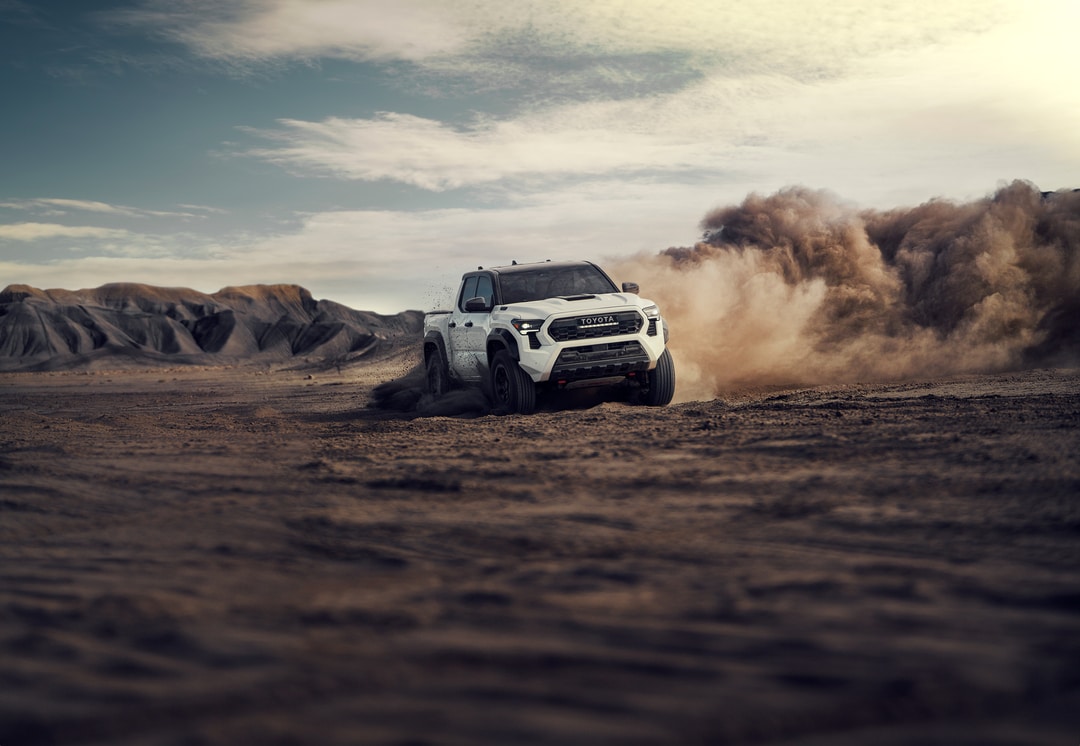
Toyota Tacoma vs. Tundra: Performance and Capability
The Tacoma comes standard with an i-FORCE 2.4-liter turbocharged four-cylinder that produces up to 278 horsepower and 317 pound-feet of torque, while the available i-FORCE MAX hybrid increases output to 326 horsepower and 465 pound-feet. An eight-speed automatic transmission is standard on most models. However, select Tacoma configurations still offer a six-speed manual for drivers who like to be more hands-on.
The Tundra utilizes twin-turbocharged V6 power, with its i-FORCE engine producing 389 horsepower and 479 pound-feet of torque, and the i-FORCE MAX hybrid making a prodigious 437 horsepower and 583 pound-feet.
The Tacoma can tow up to 6,500 pounds and haul up to 1,705 pounds, depending on the configuration. The Tundra reaches a maximum payload of 1,850 pounds and a maximum tow rating of 12,000 pounds when properly equipped.
Which Toyota Truck Is Better for Daily Driving Around Jasper?
Drivers who use their pickup primarily for commuting and personal transportation will find that the midsize Tacoma takes up less space in parking lots and is easier to maneuver on residential streets, while still providing ample truck utility. Commuters will also appreciate the hybrid powertrain's improved efficiency.
While the Tundra is appreciably larger, that doesn't make it impractical for daily use. Its larger cabin, particularly in CrewMax models, can be advantageous for families and drivers who regularly travel with passengers around Bloomington or Evansville. Still, at more than 80 inches wide and more than 20 feet long in certain configurations, there is a size trade-off. If you don't need the extra performance or interior space, the Tacoma may be easier to live with on a daily basis.
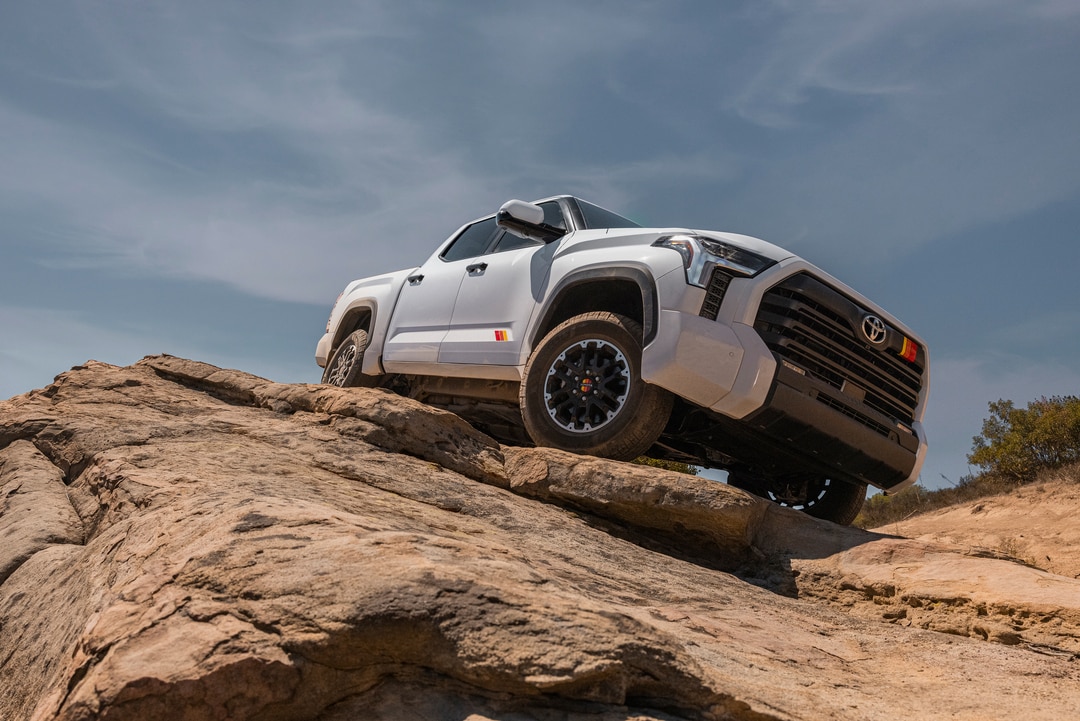
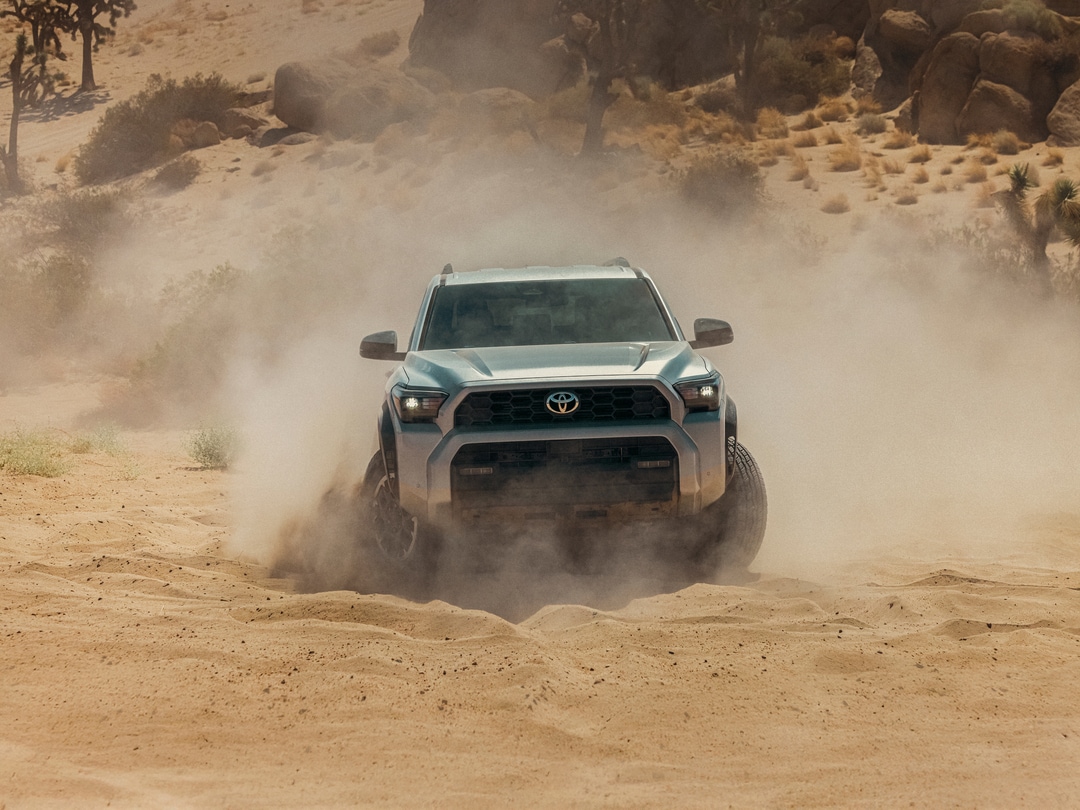
Tacoma vs. Tundra for Towing in Southern Indiana
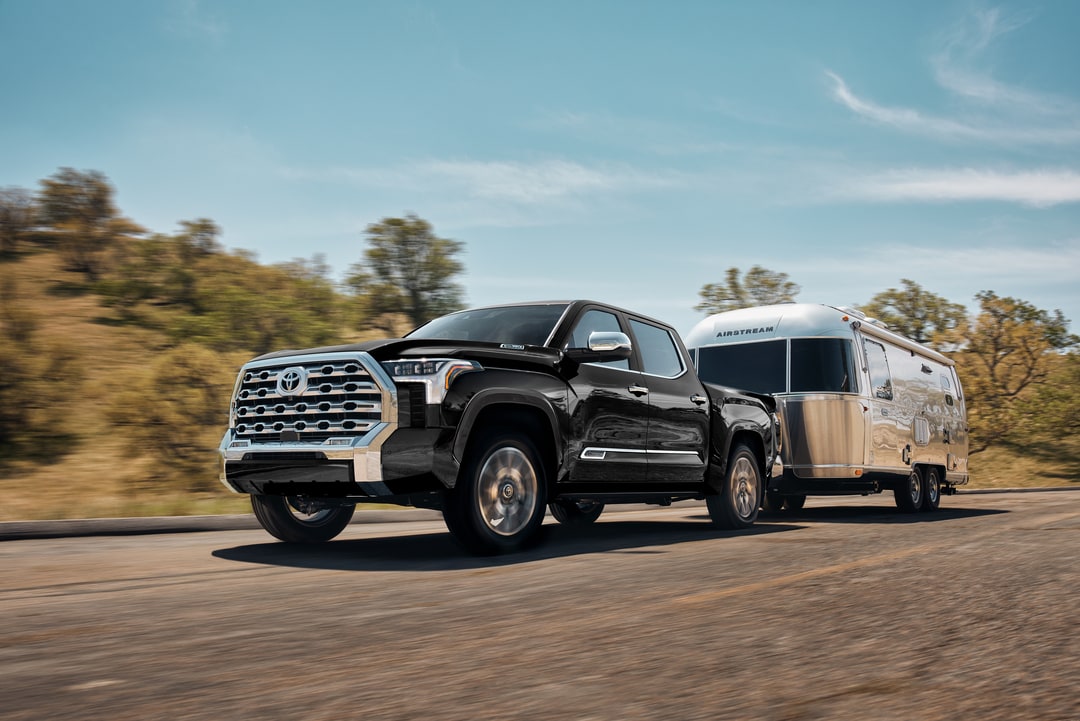
The Toyota Tacoma can tow a maximum of 6,500 pounds, which covers a broad range of recreational needs. For example, fishing boats, UTVs, ATVs, utility trailers, and smaller campers can all fall comfortably within its capabilities. That makes Tacoma a natural companion for weekends at Patoka Lake, Hoosier National Forest, and campgrounds around southern Indiana.
For heavier trailers, Tundra provides considerably more headroom to work with. Its 12,000-pound maximum available tow rating makes it better suited to larger campers, horse trailers, enclosed work trailers, and equipment trailers. Drivers who tow frequently may also appreciate having additional capacity in reserve rather than routinely operating near the upper limits of a midsize model.
Which Toyota Truck Is Better for Farms and Rural Properties?
Depending on the workload, either Toyota pickup can serve property owners around Washington, IN. The Tacoma is a versatile option for lighter property-management duties. Its payload capacity can accommodate tools, landscaping supplies, feed, and other cargo, while its smaller dimensions can make it easier to maneuver around outbuildings, wooded property, and narrow access roads. Available four-wheel drive and an extensive selection of off-road equipment also make it well-suited to rough or unpaved terrain.
The Tundra has greater payload and towing capacities that are better suited to regular equipment transport, larger trailers, and heavier materials. It also has an available 8.1-foot bed for long or bulky cargo.
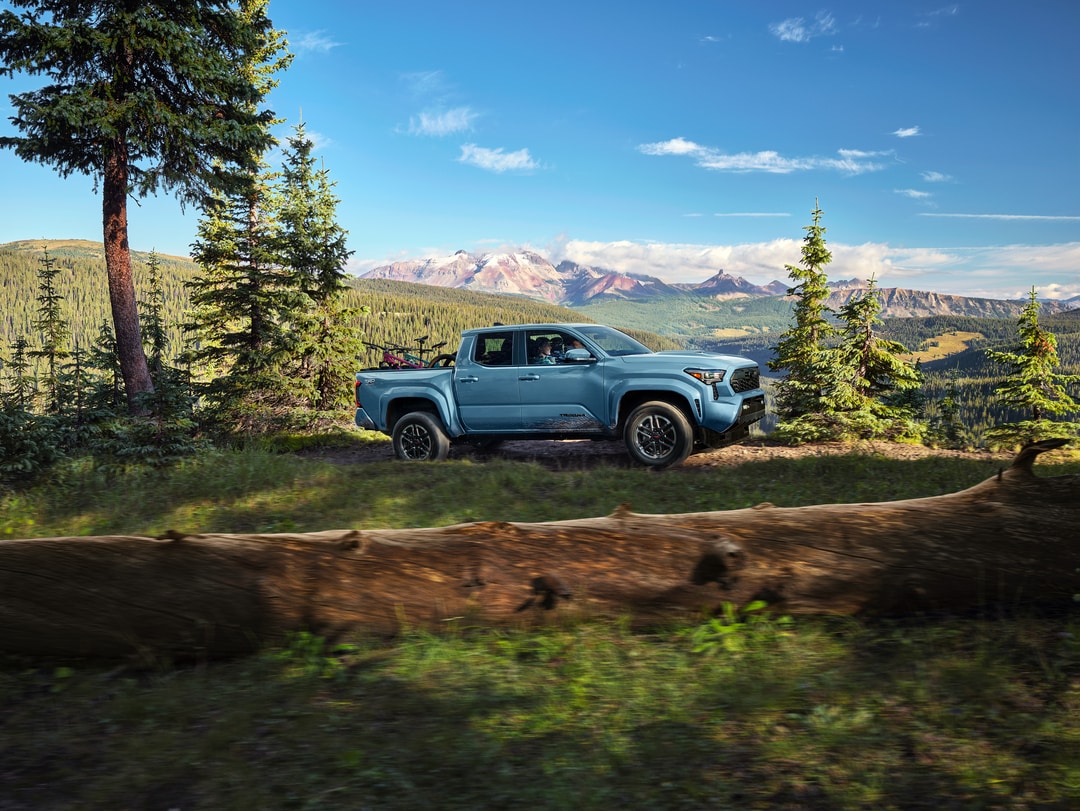
Tacoma TRD Pro vs. Tundra TRD Pro
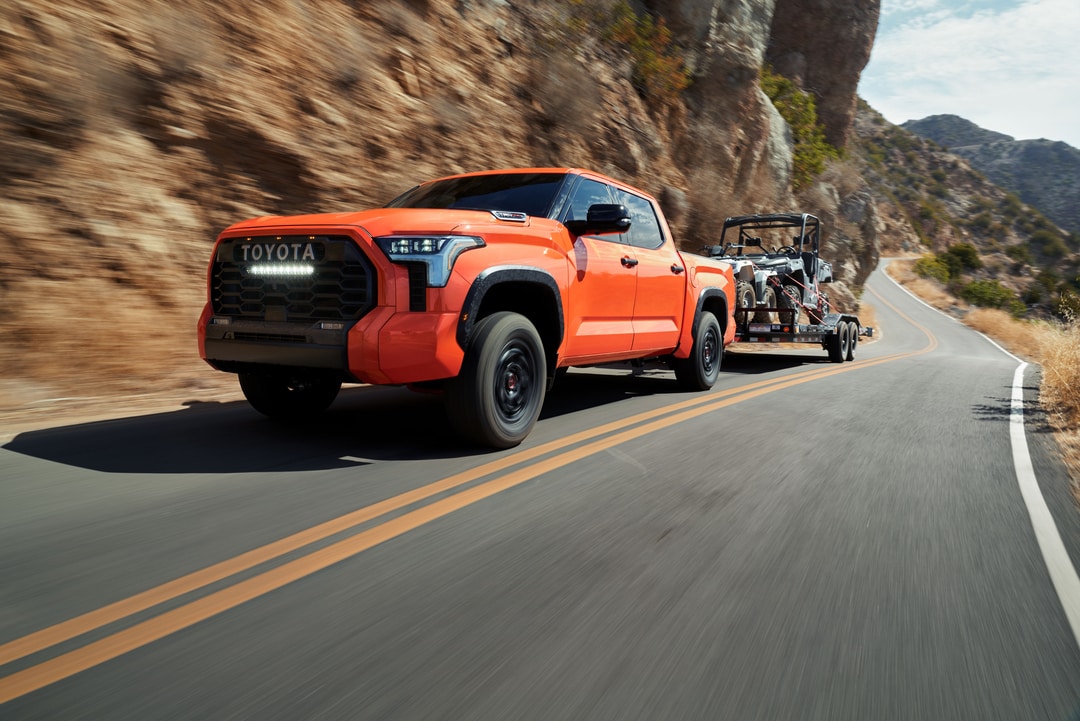
Drivers don't have to choose Tacoma or Tundra to gain access to Toyota's most specialized off-road equipment. Both trucks offer a TRD Pro trim that combines four-wheel drive with upgraded suspension hardware, all-terrain tires, underbody protection, and specialized technology for navigating challenging terrain.
Both TRD Pro models feature specialized FOX® internal-bypass suspension hardware, electronic locking rear differential, Multi-Terrain Select, and Crawl Control. The Tacoma adds a Stabilizer Disconnect Mechanism for increased suspension articulation, while the Tundra TRD Pro has a 1.1-inch front lift.
The Tacoma TRD Pro is powered exclusively by the 326-horsepower i-FORCE MAX hybrid, and its smaller midsize dimensions can also be advantageous on narrow trails. The Tundra TRD Pro gets the more potent 437-horsepower hybrid powertrain.
In addition to the TRD Pro flagship off-road trim, the Tacoma offers other rugged variants, including Pre-Runner and TRD Off-Road, as well as the overlanding-focused Trailhunter, which builds on the TRD Pro with Old Man Emu dampers and specialized ARB equipment.
Toyota Tacoma vs. Tundra Interior Space and Configurations
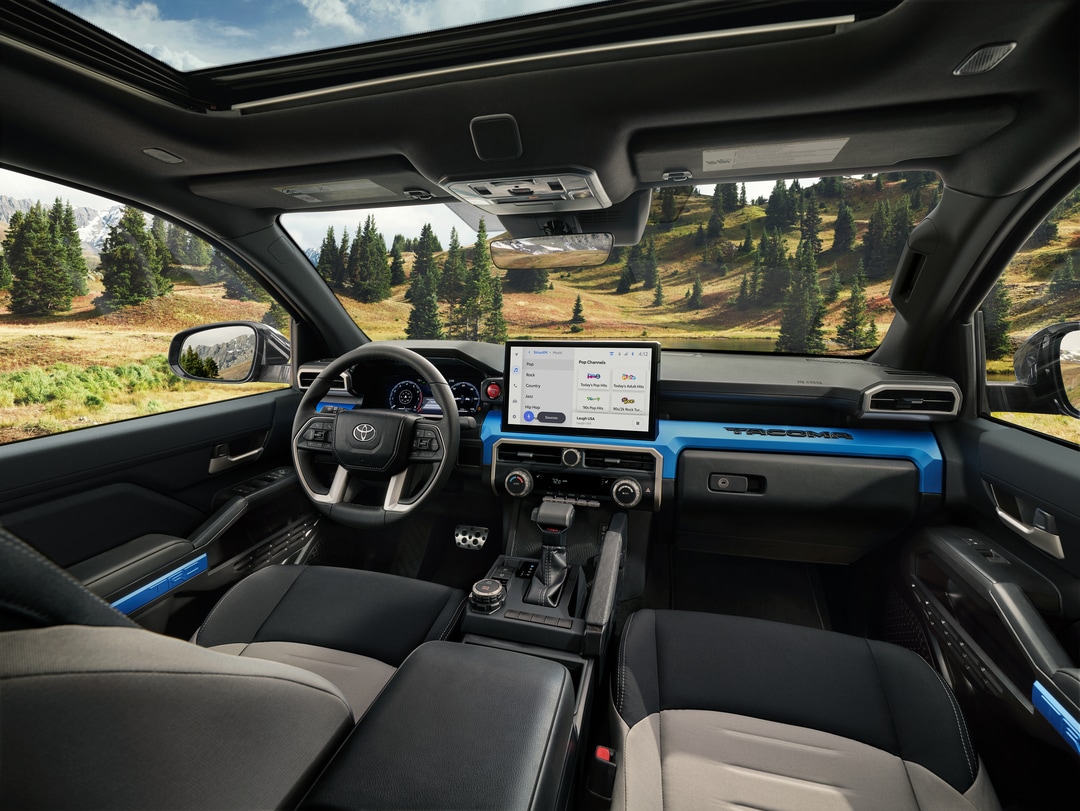
Tacoma is available as a two-seat XtraCab or five-seat Double Cab. XtraCab replaces a conventional rear seat with additional lockable interior storage, making it an interesting option for owners who primarily carry equipment rather than passengers. The Double Cab has a traditional crew cab layout, with two rows and five seats. XtraCab pairs with a six-foot bed, while Double Cab can be had with either a five-foot or six-foot bed.
In the Tundra, Double Cab and CrewMax configurations both have seating for five, with CrewMax providing substantially more second-row legroom for adults. The Tundra also has longer bed options, including 5.5 feet, 6.5 feet, and 8.1 feet.
Should You Buy a Tacoma or Tundra?
- "I commute regularly and occasionally tow a boat or small camper." The Tacoma offers plenty of capability without requiring full-size-truck dimensions.
- "I frequently tow a larger camper or equipment trailer." The Tundra provides significantly greater towing capacity and additional payload headroom.
- "I want a truck primarily for trails and outdoor recreation." The Tacoma's more maneuverable dimensions and extensive selection of off-road configurations make it particularly appealing.
- "I need a truck for farm or business use." The Tacoma can handle lighter-duty work, while the Tundra is better suited to frequent heavy hauling and equipment transport.
- "I regularly carry adults in the back seat." The Tundra, particularly in CrewMax form, provides considerably more passenger space.
Compare Toyota Trucks at Uebelhor Toyota
Reach out to Uebelhor Toyota to learn more about the Toyota Truck lineup, including configuration options and financing opportunities. If you'd like to compare the Toyota Tacoma and Toyota Tundra in person, we welcome you to visit us in Jasper, IN, for a test drive. We'll be happy to show you around.